
Hyperbaric Oxygen Therapy Auckland
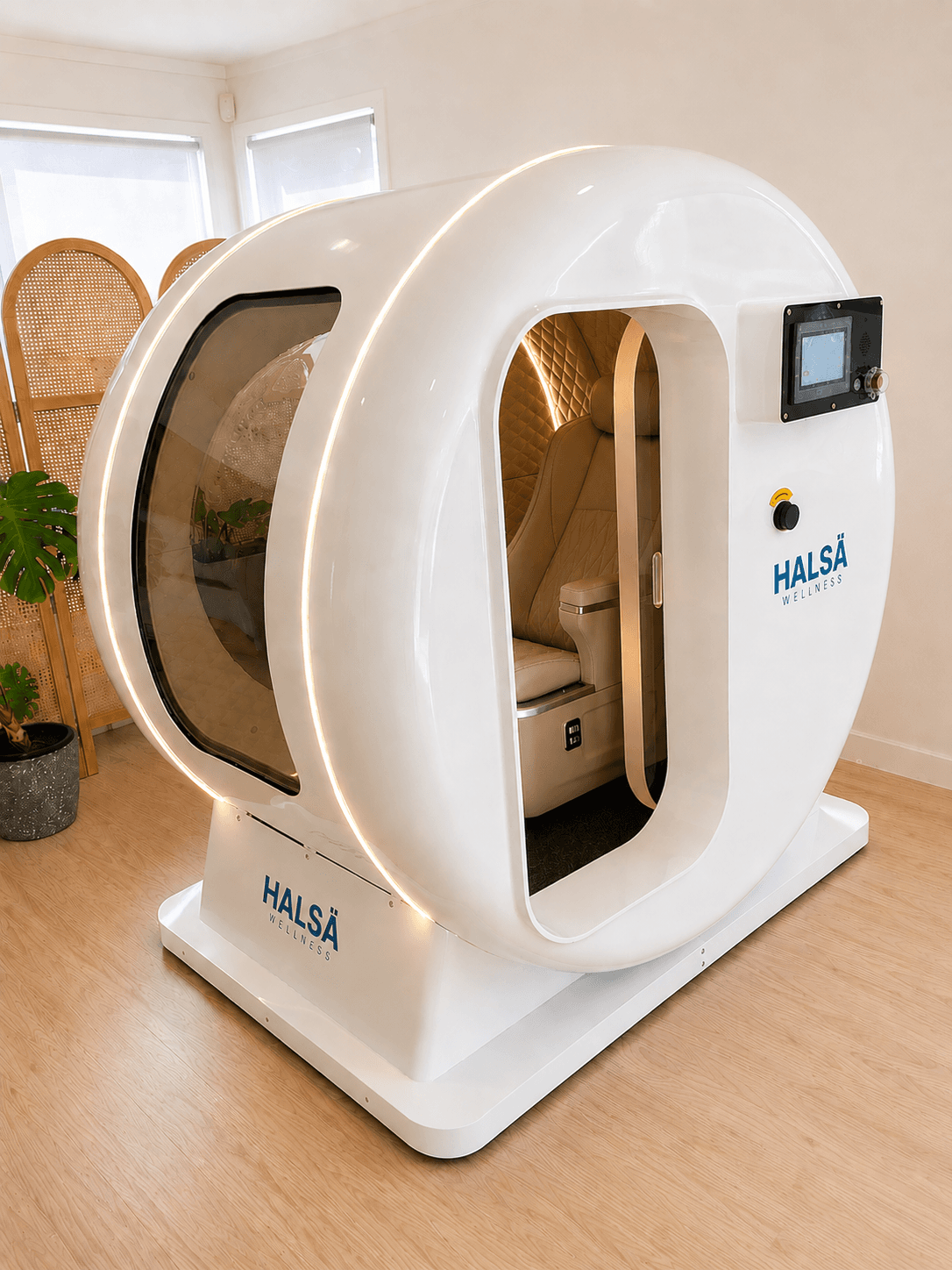
Hyperbaric oxygen therapy (HBOT) is a non-invasive wellness therapy performed inside a pressurised hyperbaric chamber, combining a high-concentration oxygen environment with increased atmospheric pressure to support the body's natural recovery processes.
What Is Hyperbaric Oxygen Therapy?
During an HBOT session, you relax inside a specialised chamber while the internal pressure is gradually increased. At normal atmospheric pressure, oxygen is carried mainly by haemoglobin in red blood cells. Under increased pressure, more oxygen can dissolve directly into the body's fluids, including blood plasma.
This can increase how much oxygen is available within tissues, particularly in areas where oxygen delivery may be affected by injury, swelling or reduced circulation. Recovery Lab uses a premium hard-shell hyperbaric chamber, with treatment pressure selected according to each client's goals, health history and suitability.
How HBOT Works
HBOT is not simply breathing extra oxygen. It's the combination of oxygen and increased atmospheric pressure that changes how oxygen is transported through the body. The physiological response depends on treatment pressure, oxygen concentration, session duration, the number of sessions and the individual's underlying condition.
- More oxygen can dissolve into blood plasma
- Oxygen availability within tissues may increase
- Oxygen may travel further into areas with reduced circulation
- Cellular energy production may be supported
- Oxygen-dependent repair processes may function more effectively
- The body's response to swelling and inflammation may be influenced
- Processes involved in blood-vessel formation may be stimulated over a course of treatment
How HBOT May Support Recovery
Tissue Oxygenation
Injured or compromised tissue may receive less oxygen than it needs for effective repair. Increasing oxygen availability may support cellular function in these areas.
Cellular Energy
Cells need oxygen to produce ATP (adenosine triphosphate), which supplies energy for repair, maintenance and normal cellular activity.
Tissue Repair
Many repair processes are oxygen-dependent, including collagen formation, immune activity, tissue regeneration and wound healing.
Circulation and Blood-Vessel Formation
Repeated hyperbaric exposure has been studied for its potential to support angiogenesis — the development of new small blood vessels — over a course of treatment.
Swelling and Inflammation
HBOT can produce physiological effects that influence swelling and inflammatory signalling. The clinical relevance of these effects varies depending on the condition being treated.
Neurological Recovery
The brain has a high oxygen demand, and HBOT is being researched for selected neurological conditions and persistent symptoms following certain brain injuries. Evidence varies considerably between conditions and protocols.
Why People Explore HBOT
Clients may consider HBOT as part of a wider recovery or wellness programme.
Injury and Physical Recovery
- Sports injuries
- Muscle and soft-tissue recovery
- Joint injuries
- Persistent physical symptoms
- Recovery following periods of reduced activity
- Supporting rehabilitation programmes
Surgical Recovery
HBOT should only be used after surgery with the approval of the client's treating medical team.
- Pre-operative preparation
- Post-operative recovery
- Swelling management
- Tissue healing support
- Returning to normal activity
Brain and Cognitive Health
Research into HBOT for concussion and chronic neurological symptoms is continuing. It should not replace neurological assessment or established rehabilitation.
- Concussion recovery
- Persistent post-concussion symptoms
- Cognitive fatigue
- Mental clarity
- Neurological rehabilitation support
Sport and Performance
- Recovery between training sessions
- Muscular fatigue
- Exercise-related soreness
- Supporting recovery during intensive training periods
- Returning to training after injury
General Wellbeing
Some clients use HBOT as part of a broader wellbeing programme for energy, recovery and healthy ageing. These are wellness applications and should not be interpreted as treatment for a diagnosed medical condition.
Established and Emerging Uses
Medically Accepted HBOT Applications
Hospital-based HBOT is an established medical treatment for a defined group of conditions, all of which require assessment and treatment through an appropriate medical hyperbaric service:
- Decompression sickness
- Carbon monoxide poisoning
- Gas embolism
- Selected non-healing wounds
- Delayed radiation tissue injury
- Certain serious infections
- Compromised skin grafts and flaps
- Selected crush injuries and acute traumatic ischaemia
Emerging and Adjunctive Applications
HBOT is also being studied or used as an adjunct in areas such as concussion and persistent post-concussion symptoms, traumatic brain injury, sports recovery, musculoskeletal injuries, post-operative recovery, chronic pain and inflammatory conditions, cognitive health and healthy ageing.
The quality and consistency of the evidence differs between these applications. We discuss the current evidence, practical limitations and realistic expectations during your consultation.
What to Expect
Before Your First Session
Every client completes a suitability questionnaire and consultation before entering the chamber. We review your current health conditions, medications and supplements, ear and sinus health, respiratory history, previous surgeries, pregnancy status, implantable devices, relevant medical history and your recovery goals. Medical clearance may be requested where appropriate.
During Pressurisation
As the chamber pressure increases, your ears may feel similar to being in an aircraft during take-off or landing. You'll be shown techniques to equalise your ears comfortably, and pressure is increased gradually and can be adjusted if needed.
At Treatment Pressure
Once the selected pressure is reached, most clients relax, rest, watch content or sleep. You'll be monitored throughout the session.
Decompression
At the end of treatment, the chamber is slowly returned to normal atmospheric pressure, and you may notice your ears clearing as the pressure decreases.
After Treatment
Most clients return to their normal daily activities immediately. Some people feel relaxed or tired, while others report feeling alert or energised. Temporary ear pressure or mild fatigue can occur.
How Many Sessions Will I Need?
The appropriate number of sessions depends on the reason for treatment, how long the concern has been present, treatment pressure and duration, your general health and response to treatment, and whether HBOT is being used alone or alongside rehabilitation.
A single session may be used for general recovery, but many of the physiological effects associated with HBOT are cumulative. A treatment course may range from several sessions for short-term recovery goals to 20, 40 or more sessions for complex or longstanding concerns. We recommend an initial plan and review your response rather than promising a predetermined result.
HBOT Safety and Suitability
HBOT is generally well tolerated when appropriately prescribed, screened and supervised. Potential effects and risks may include:
- Ear or sinus pressure, or difficulty equalising the ears
- Temporary fatigue
- Temporary changes in vision following repeated exposure
- Claustrophobia or anxiety
- Changes in blood glucose
- Lung pressure injury, which is uncommon
- Oxygen toxicity, which is rare at commonly used treatment pressures
- Fire risk if safety procedures are not followed
Absolute Contraindication
An untreated pneumothorax, or collapsed lung, is generally considered an absolute contraindication to HBOT.
Additional Considerations
Medical approval may be required for people with:
- Respiratory or lung conditions
- Recent ear surgery
- Active ear or sinus infections
- Seizure disorders
- Uncontrolled fever
- Certain chemotherapy medications
- Significant cardiac conditions
- Poorly controlled diabetes
- Pregnancy
- Implanted medical devices
- Severe claustrophobia
HBOT in Auckland at Recovery Lab
Recovery Lab is located in Parnell and welcomes clients from across central and eastern Auckland, including Remuera, Newmarket, St Heliers, Mission Bay, Kohimarama, Orakei and Epsom. Book a consultation to discuss whether HBOT may suit your goals.
Session and Bundle Pricing
Each session is 60 minutes at a treatment pressure between 1.5 and 1.9 ATA. Bulk packages reduce the per-session rate the more sessions you commit to upfront.
Single Session
1 session
$200 per session
5-Session Bundle
5 sessions
$190 per session
Save $10 per session — $50 total
6-Session Bundle
6 sessions
$185 per session
Save $15 per session — $90 total
10-Session Bundle
10 sessions
$180 per session
Save $20 per session — $200 total
20-Session Bundle
20 sessions
$170 per session
Save $30 per session — $600 total
40 Session Bundle
40 sessions
$160 per session
Save $40 per session — $1600 total
Bundle pricing is paid upfront and applies to HBOT sessions only. Your practitioner will recommend the appropriate course length during your consultation.
Hyperbaric Oxygen Therapy FAQs
HBOT should not be painful. The main sensation is pressure in the ears during compression and decompression, which is usually managed with simple equalisation techniques.
No. The defining feature of HBOT is oxygen delivered in an environment where atmospheric pressure is greater than normal. Pressure increases the amount of oxygen that can dissolve into blood plasma and become available to tissues.
Treatment pressure is selected according to your goals, health history and suitability. Recovery Lab's chamber can operate within a range of treatment pressures up to 1.9 ATA.
Electronic devices and personal items are restricted, as hyperbaric environments require strict fire-safety procedures. Our team will explain what can and cannot enter the chamber before treatment.
No treatment outcome can be guaranteed. HBOT may support specific physiological processes and is an established medical treatment for certain recognised indications. For many wellness, sports and neurological applications, it is considered adjunctive or investigational.
No. HBOT should complement, not replace, appropriate medical assessment, medication, surgery, physiotherapy or other established care.
Response varies between individuals. Some clients report changes after a small number of sessions, while others need a longer course. Certain physiological effects develop gradually and may continue after treatment.
Some clinical protocols involve treatment five days a week. The appropriate frequency depends on the reason for treatment, pressure, duration and individual tolerance, and will be discussed during your consultation.
Related Treatments
Discover Whether HBOT Is Appropriate for You
Your consultation includes suitability screening, a discussion of the evidence relevant to your goals and a personalised treatment recommendation.