
Emsella Auckland
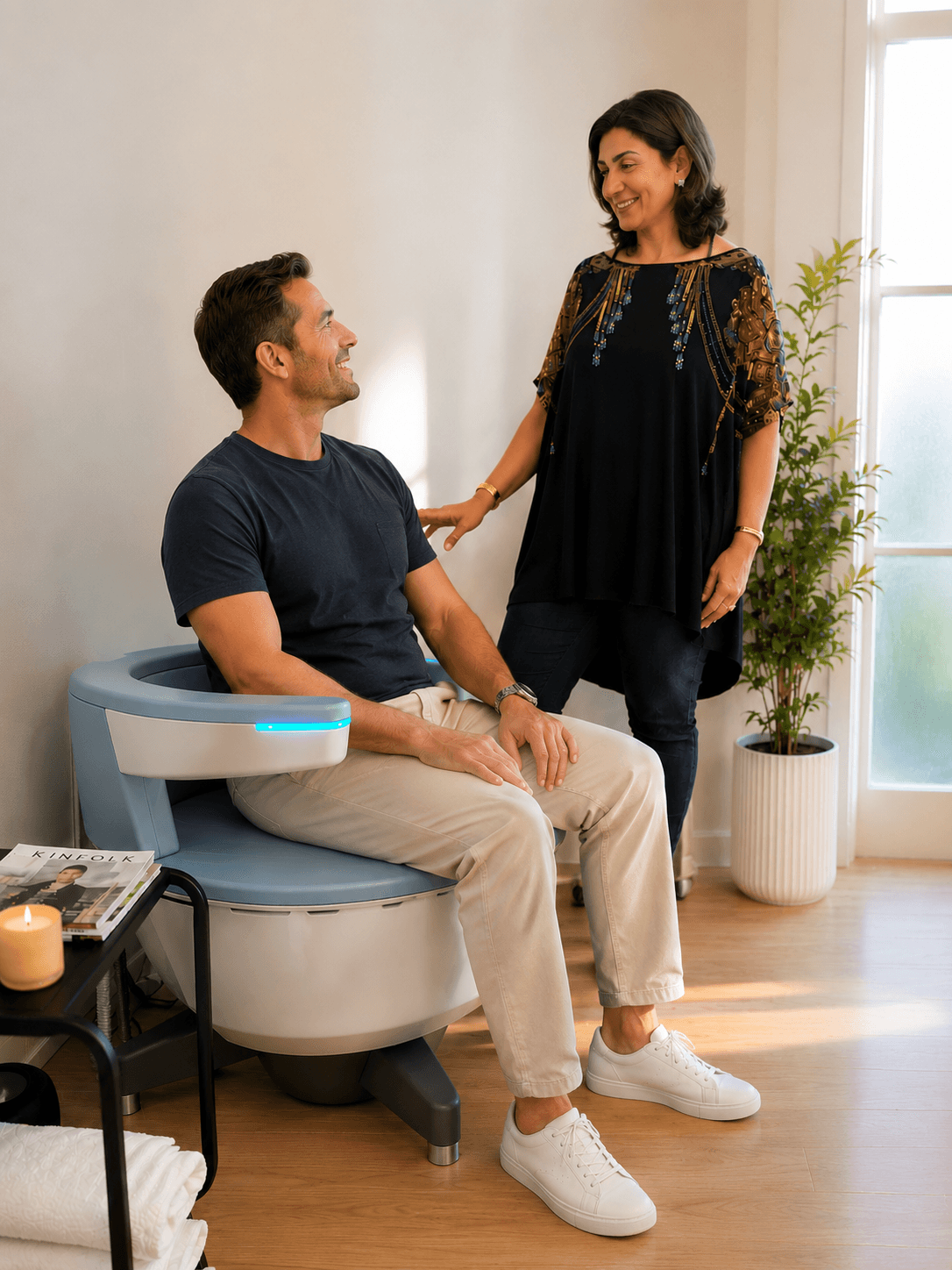
Emsella is a non-invasive treatment designed to rebuild pelvic floor strength, restore neuromuscular control and support confidence in women and men experiencing urinary incontinence — while you remain seated, comfortable and fully clothed. Pelvic floor weakness is common, but it isn't something you should simply have to accept.
What Is Emsella?
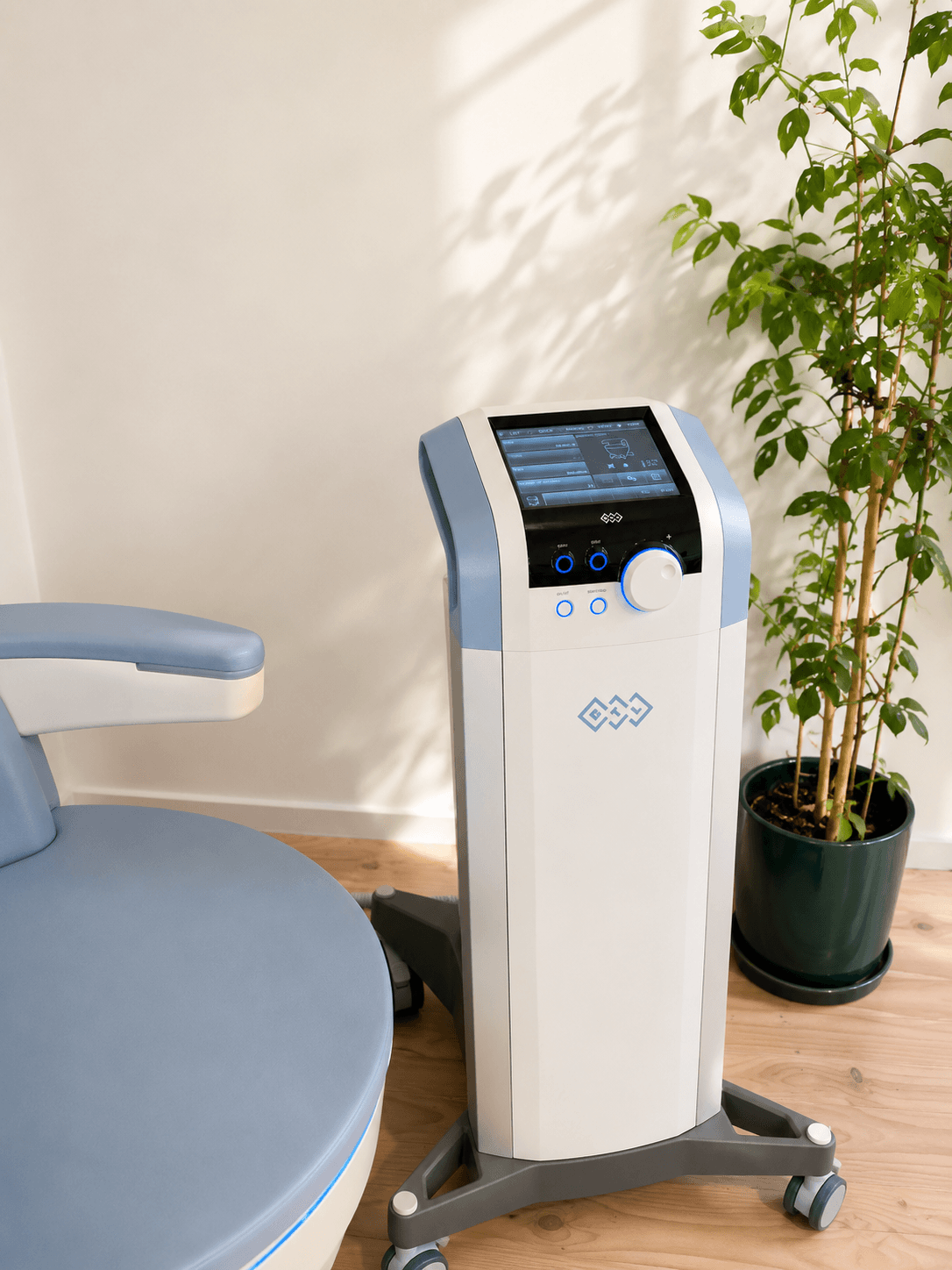
Emsella uses high-intensity focused electromagnetic (HIFEM) technology to stimulate the pelvic floor musculature. The electromagnetic energy passes through clothing and reaches the motor neurons responsible for activating the pelvic floor muscles, producing repeated involuntary contractions across the session.
- Rehabilitation of weak pelvic floor muscles
- Restoration of neuromuscular control
- Support for urinary incontinence
- Improved awareness and recruitment of the pelvic floor
Your Pelvic Floor Does More Than You Think
The pelvic floor is a group of muscles and connective tissue that forms a supportive base beneath the pelvis. It contributes to:
- Bladder control
- Bowel control
- Support for pelvic organs
- Sexual function
- Pelvic and spinal stability
- Pressure management
- Breathing and core coordination
- Confidence during movement and exercise
Common Signs of Pelvic Floor Dysfunction
You may benefit from a pelvic floor assessment if you experience:
- Leakage when coughing or sneezing
- Leakage during running, jumping or lifting
- Sudden or difficult-to-control urinary urgency
- Frequent trips to the bathroom
- Reduced confidence during exercise
- Pelvic heaviness or reduced support
- Difficulty identifying or activating the pelvic floor
- Changes following pregnancy or childbirth
- Changes associated with menopause
- Reduced pelvic control following prostate treatment
- A feeling that pelvic floor exercises aren't working
Why Pelvic Floor Exercises Can Be Difficult
Pelvic floor exercises can be effective, but they rely on correctly locating, contracting and relaxing the right muscles. Common challenges include contracting the glutes or abdomen instead, holding the breath, bearing down rather than lifting, using too little intensity, exercising inconsistently, not allowing the muscle to relax, having an overactive rather than weak pelvic floor, or following a generic programme that doesn't match the underlying issue.
Emsella creates consistent, repeated contractions without relying entirely on voluntary muscle control. It does not replace a pelvic health assessment where pain, prolapse, overactivity or complex symptoms are present.
What Emsella May Help With
Stress Urinary Incontinence
Stress incontinence occurs when pressure on the bladder exceeds the support provided by the pelvic floor and urethral closure mechanisms — leakage may happen during coughing, sneezing, laughing, running, jumping, lifting or high-impact exercise. Strengthening the pelvic floor may improve support and control.
Urgency and Urge Incontinence
Urgency involves a sudden, strong need to urinate that may be difficult to delay. Pelvic floor muscle training and improved neuromuscular control can form part of a wider management plan, though persistent urgency should be medically assessed to rule out infection and other causes.
Changes Following Pregnancy and Childbirth
Pregnancy and childbirth can place significant pressure on the pelvic floor through hormonal changes, increased abdominal load, stretching and tissue trauma. Emsella may support muscle strengthening after appropriate postpartum recovery and medical clearance.
Menopause and Age-Related Change
Hormonal and age-related changes can affect pelvic tissues, muscle mass and urinary control. Emsella may form part of a broader plan that also considers movement, pelvic health support, medical management and lifestyle factors.
Men's Pelvic Health
Men may experience pelvic floor weakness or urinary incontinence following prostate procedures or as part of age-related change. Emsella may be considered after medical assessment and clearance from the relevant specialist.
How Emsella May Support You
Recovery Support
- Postpartum recovery: may support the pelvic floor as it rebuilds strength after the physical demands of pregnancy and childbirth.
- Post-prostate surgery: may support bladder control and pelvic floor function for men recovering from prostate surgery, following medical clearance.
- Nerve-related urgency: may help retrain an overactive pelvic floor associated with sudden, difficult-to-control urges.
- Circulation support: may help increase local blood flow to the pelvic floor, supporting the tissue's natural recovery process.
Movement and Mobility
- Confidence in movement: may support running, jumping, dancing and exercise by helping to reduce leakage-related concerns.
- Core and hip stability: may help strengthen the deep pelvic floor muscles that contribute to pelvic and hip stability during movement.
- Easier movement: may help ease pelvic tension and stiffness, supporting a more comfortable stride.
- Less reliance on pads: may support natural bladder control, reducing reliance on protective wear for some clients.
Pelvic Floor and Core Strength
- High-intensity muscle activation: each session is designed to produce thousands of involuntary pelvic floor contractions, a level of engagement that is difficult to achieve through voluntary exercise alone.
- Core-to-floor stability: may help support the deep connection between the pelvic floor and core that contributes to trunk and lower back stability.
- Muscle tone support: may help support pelvic floor muscle tone that can decline with ageing, menopause or physical strain.
- Organ support: may help support the muscles that provide structural support for the bladder, uterus and bowel.
Wellness and Longevity Support
- Healthy ageing: may support long-term bladder control as part of a broader healthy ageing routine.
- Intimate wellness: may support pelvic floor function relevant to sexual health, alongside broader lifestyle and medical care.
- Non-invasive: no needles, incisions or downtime — you remain fully clothed throughout every session.
- Better sleep: may help reduce nighttime bathroom trips associated with urinary urgency for some clients.
The Core-to-Floor Connection
Your pelvic floor doesn't work in isolation — it coordinates with the diaphragm, deep abdominal muscles, spinal stabilisers, glutes, hips, breathing mechanics, and posture and movement patterns. This is why strengthening the pelvic floor is often considered alongside core stability, spinal support and functional movement.
Where appropriate, Emsella may be combined with other Recovery Lab treatments such as Emsculpt or chiropractic care as part of a broader plan.
What Does Emsella Feel Like?
You remain fully clothed and sit in the centre of the Emsella chair. As treatment intensity increases, you'll feel pelvic floor muscle contractions, tingling or pulsing sensations, repeated tightening and releasing, and periods of stronger and lighter stimulation. Intensity is adjusted gradually according to comfort and tolerance.
Treatment should not feel painful. Mild muscular awareness or temporary soreness may occur afterwards, similar to exercising another muscle group.
Your Emsella Treatment Journey
Consultation
We discuss your symptoms, relevant medical history, childbirth or prostate history, previous treatment and personal goals.
Suitability Screening
We screen for contraindications and determine whether Emsella is appropriate, or whether another healthcare provider should assess you first.
Treatment Course
A commonly recommended initial course consists of six sessions, generally scheduled twice per week. Your plan may differ depending on your symptoms, response and goals.
Review
We assess changes in leakage, urgency, confidence and daily function.
Maintenance
Pelvic floor muscles remain subject to ageing, hormonal changes, activity levels and lifestyle factors, so maintenance treatments may be recommended periodically.
What Results Can I Expect?
Results vary between individuals. Some clients notice changes during their initial course, while others improve more gradually as muscle conditioning and neuromuscular control develop.
- Reduced leakage
- Better bladder control
- Increased confidence during movement
- Greater awareness of the pelvic floor
- Improved ability to complete voluntary pelvic floor exercises
- Better pelvic support
- Improved quality of life
Emsella Safety and Suitability
Emsella is non-invasive and generally well tolerated, but it is not appropriate for everyone. Treatment may be unsuitable for people who are pregnant or who have:
- Pacemakers, implanted defibrillators or other electronic implants
- Metal implants within or near the treatment area
- Drug pumps
- Cochlear implants
- Active pelvic infections
- Recent pelvic surgery
- Unexplained pelvic pain or bleeding
Session and Bundle Pricing
Single Session
1 session
$245 per session
6-Session Bundle
6 sessions
$210 per session
Save $35 per session — $210 total
8-Session Bundle
8 sessions
$200 per session
Save $45 per session — $360 total
Bundle pricing is paid upfront and applies to Emsella sessions only. Your practitioner will recommend the appropriate course length during your consultation.
Emsella FAQs
Emsella uses high-intensity focused electromagnetic technology to stimulate deep, repeated pelvic floor muscle contractions while you remain seated and fully clothed, designed to support pelvic floor strength and neuromuscular control.
No. Emsella may be considered by both women and men, including men experiencing pelvic floor weakness following prostate procedures, subject to an individual consultation to assess suitability.
No. Emsella may help suitable clients support pelvic floor strength and control, but individual results vary and outcomes cannot be guaranteed.
A commonly recommended initial course is six sessions, generally twice a week, though your plan may differ depending on your symptoms, response and goals.
Treatment should not be painful. You'll feel pelvic floor contractions and pulsing sensations as intensity is gradually increased to your comfort level. Mild muscular soreness afterwards is possible, similar to exercising another muscle group.
Related Treatments
Find Out if Emsella Is Right for You
Your consultation includes suitability screening and a personalised recommendation based on your symptoms, history and goals.